 Collection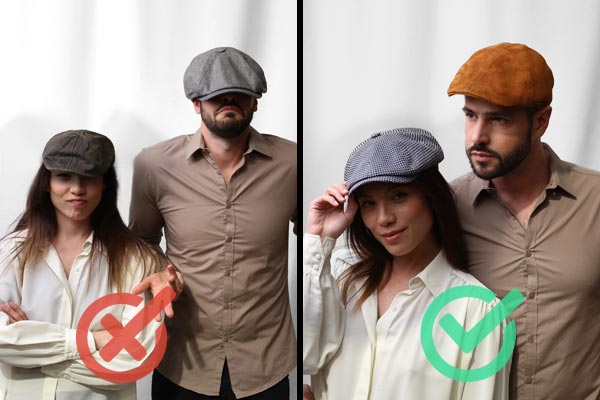
Morphology, choosing your cap according to your face shape
The essentials to save you from the worst are right here
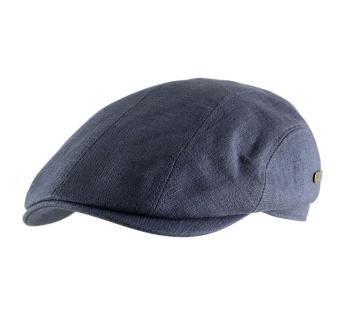
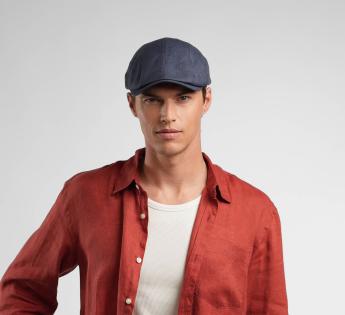
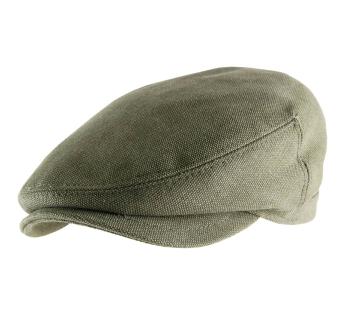

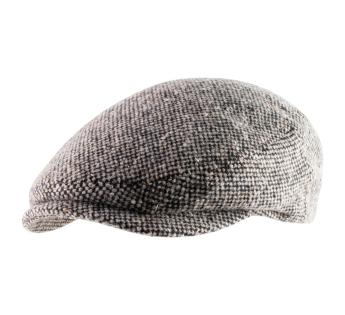

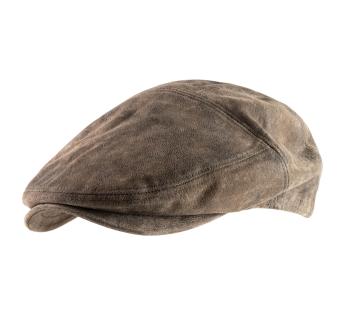
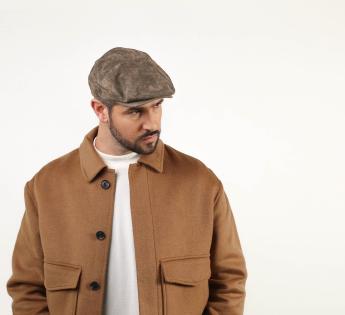
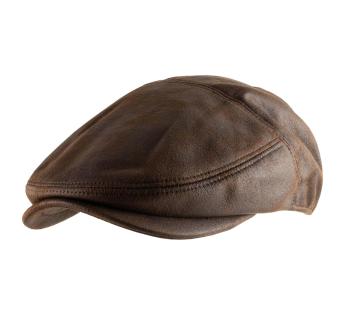
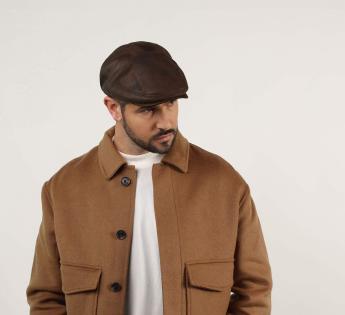
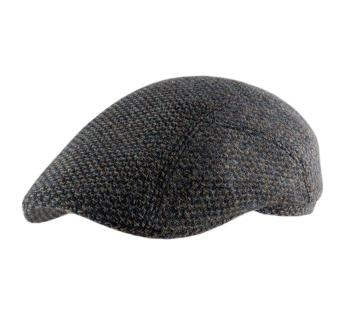
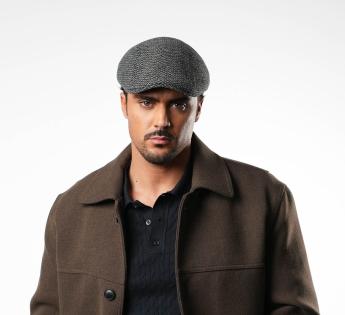
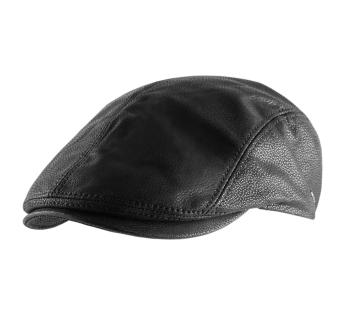
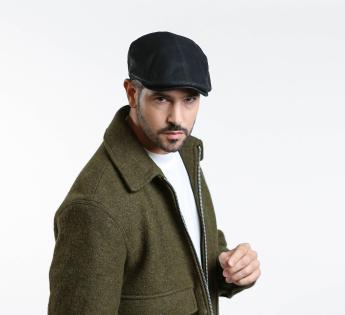
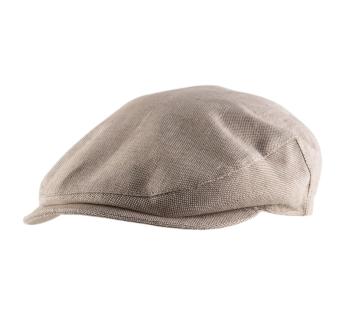
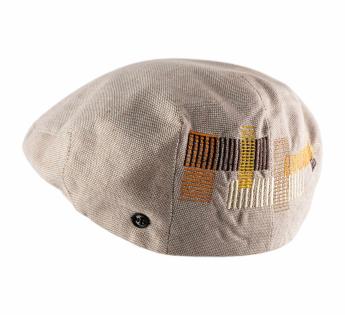
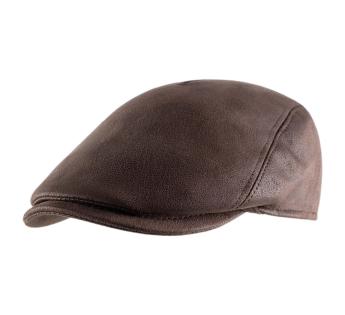

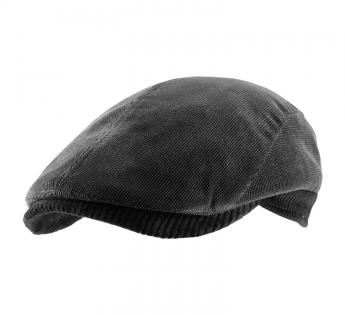

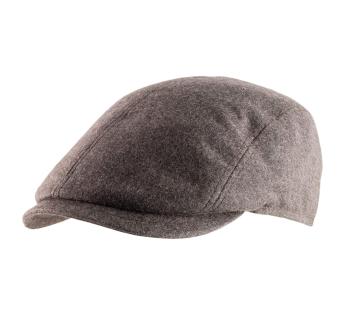

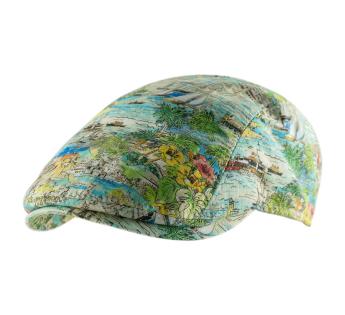
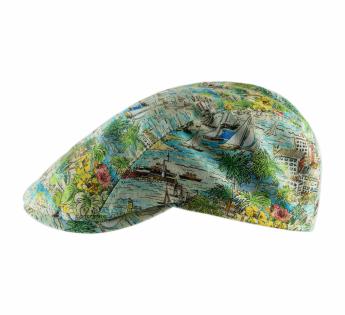
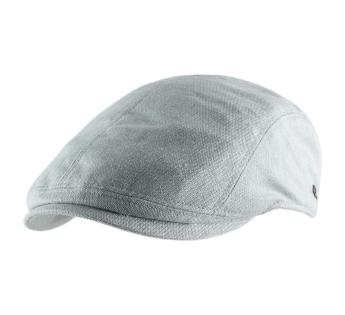
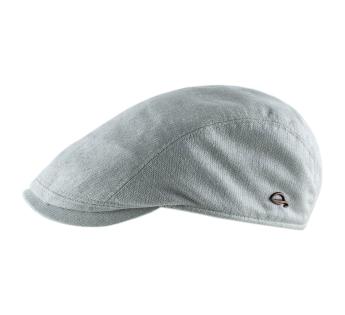
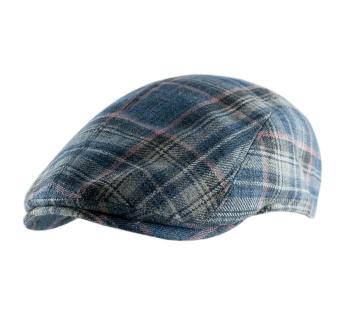
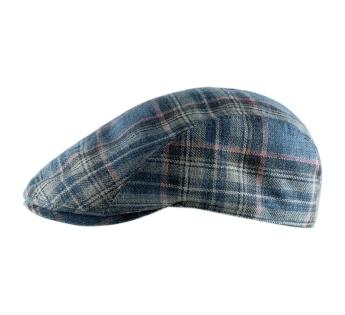
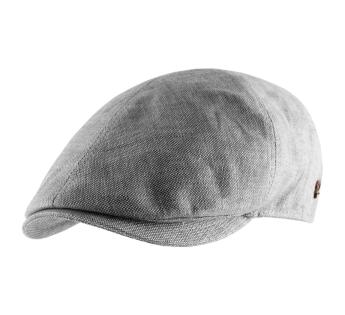
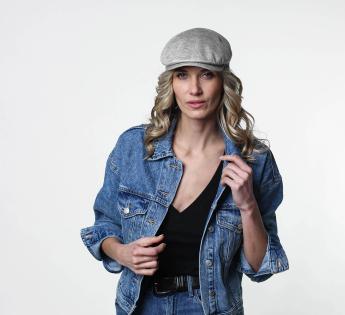
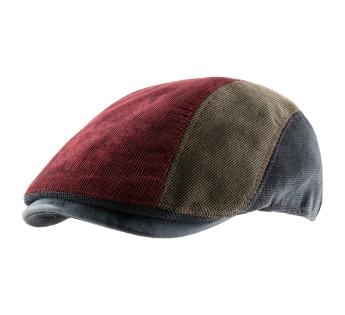
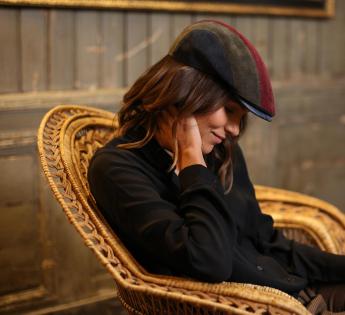
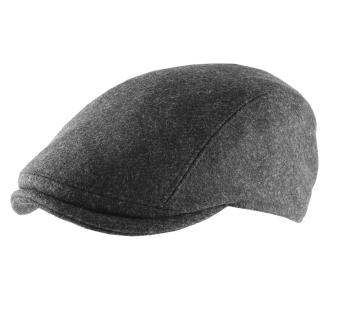

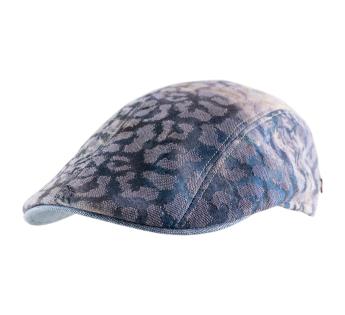

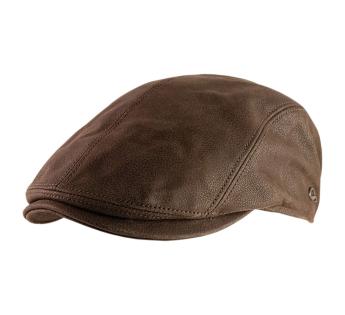

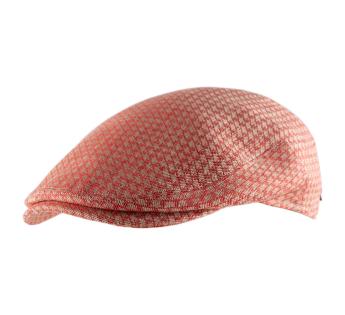
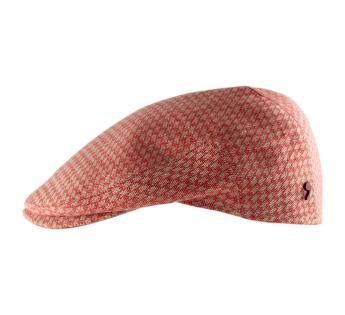
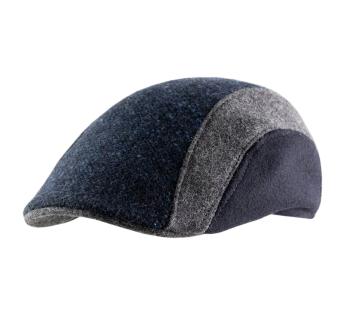
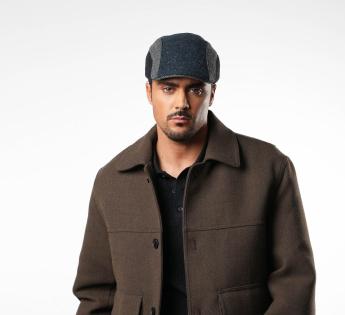
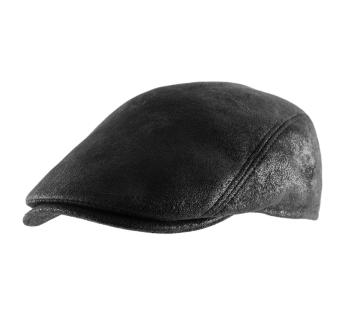

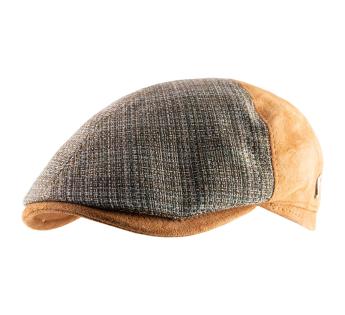

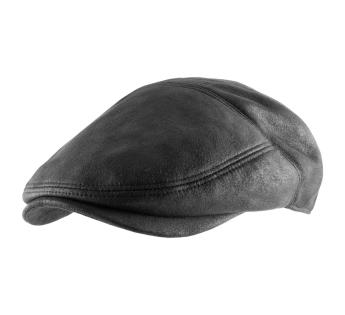
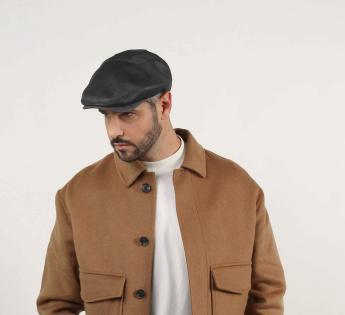
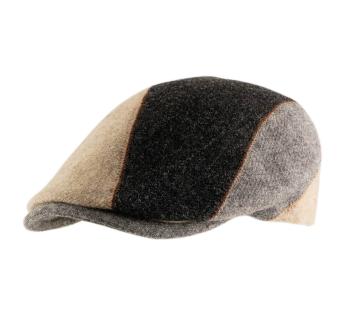
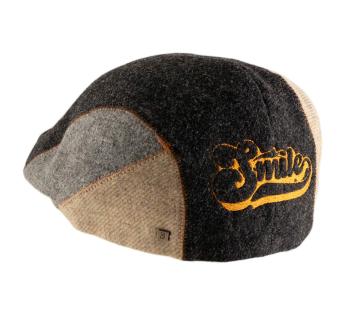
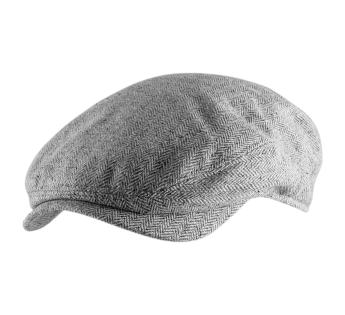
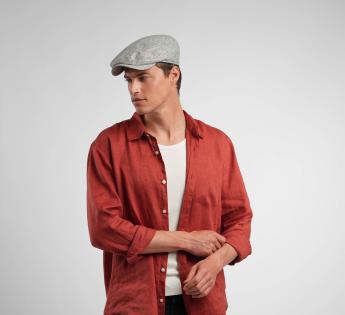
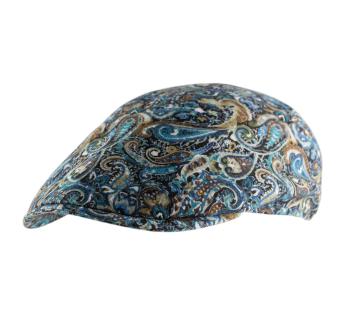
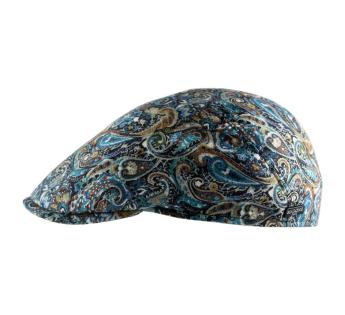
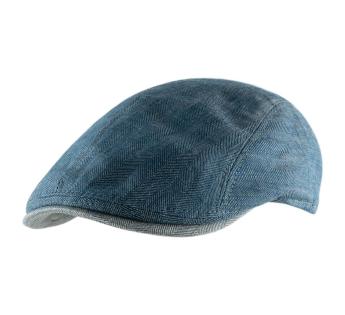
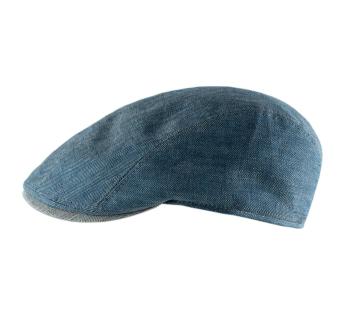
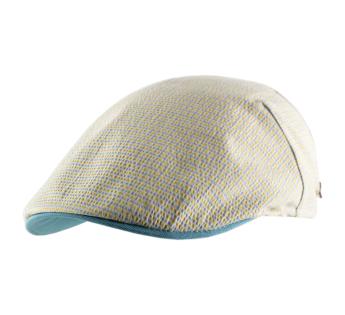
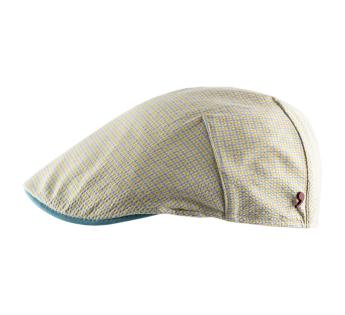
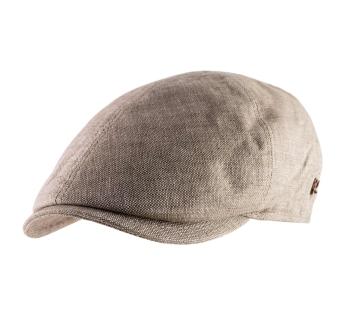
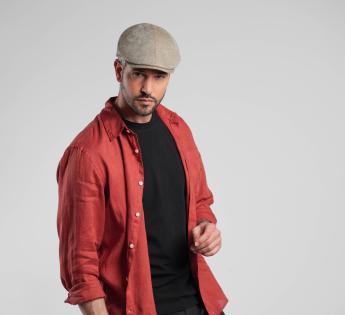
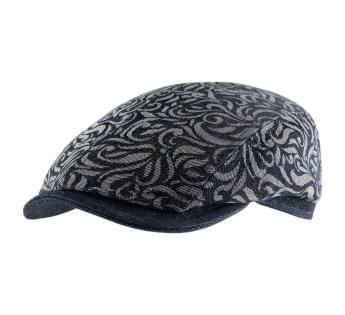
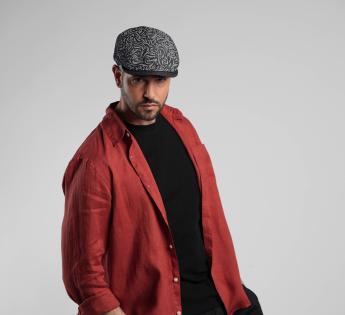
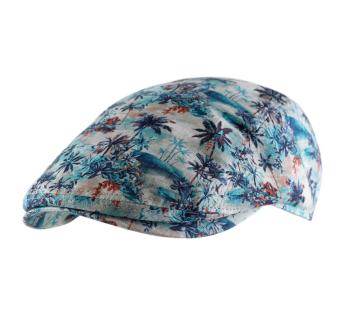
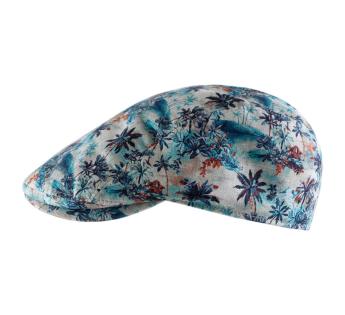
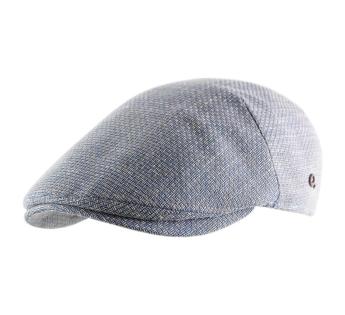
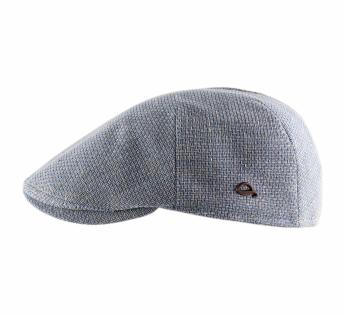
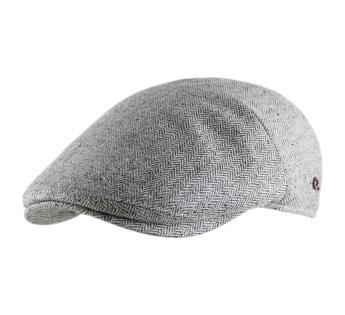
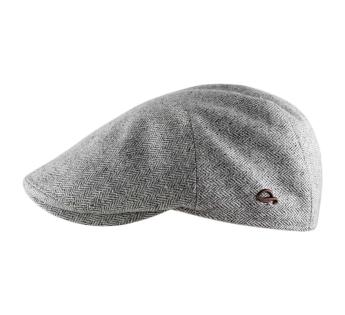
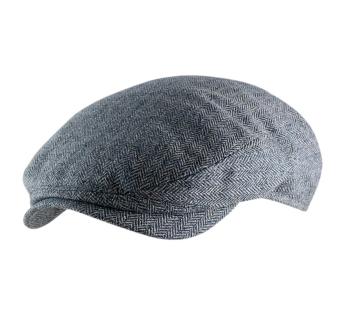

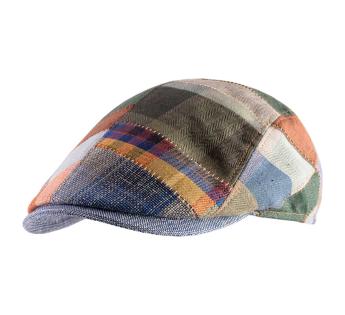

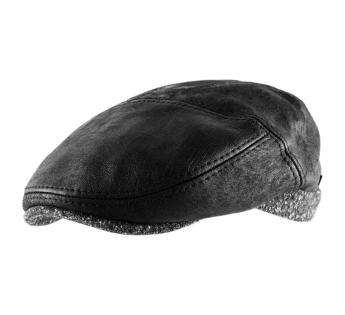

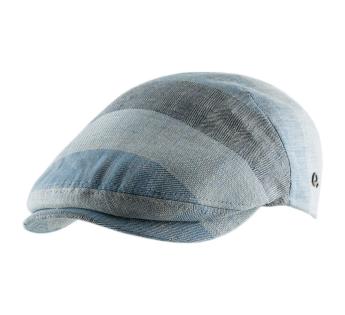

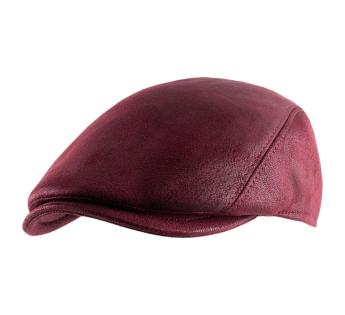

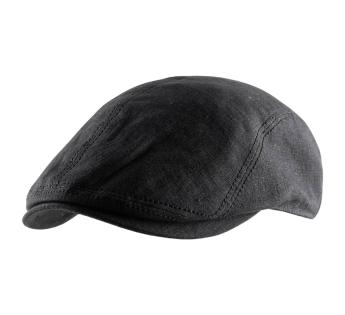

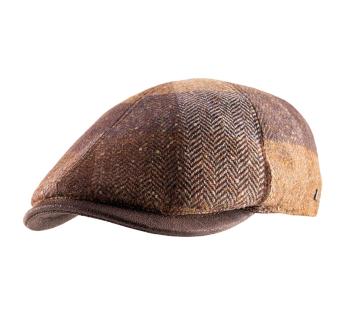
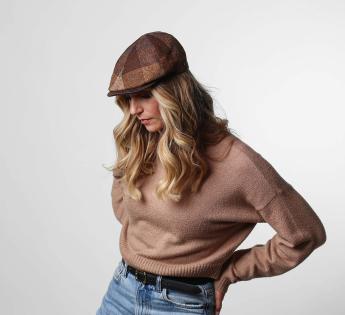
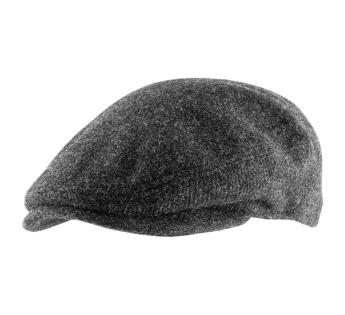
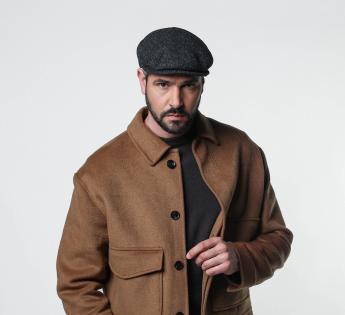
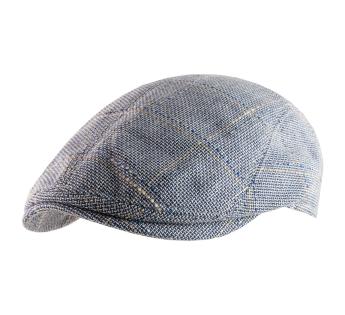

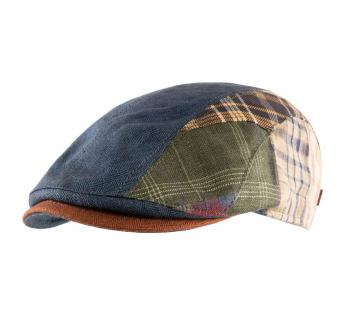
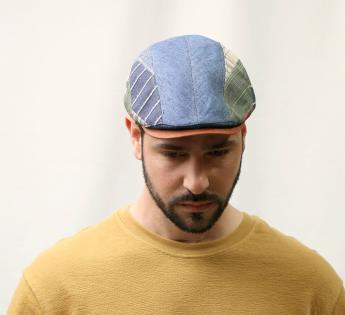
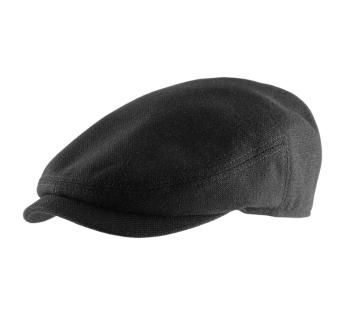
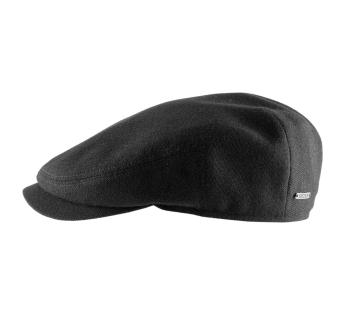
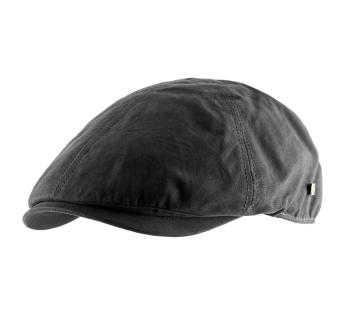
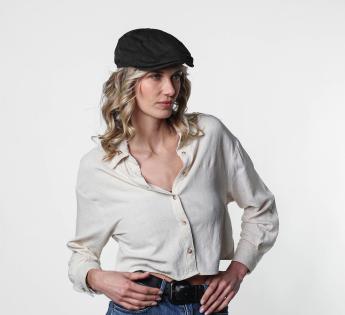
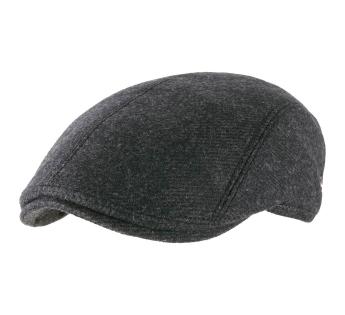
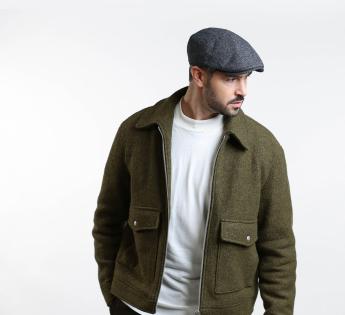
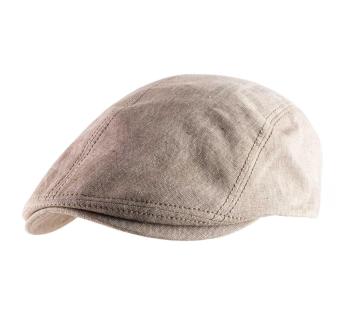

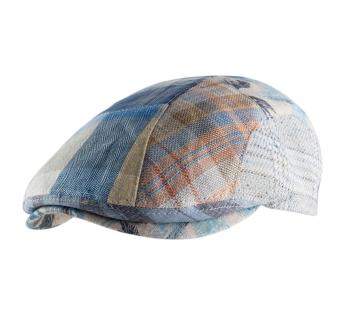

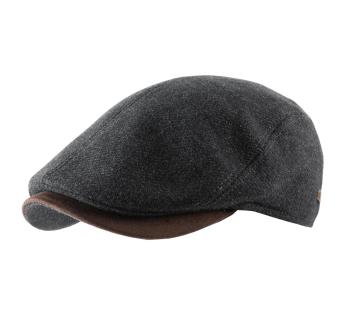

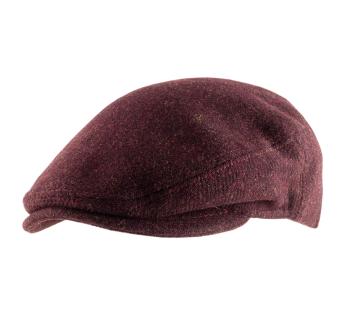

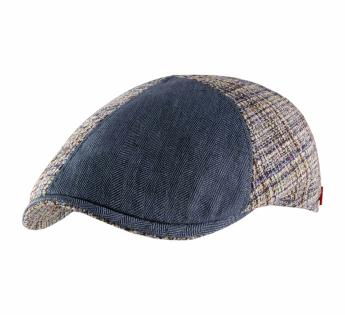

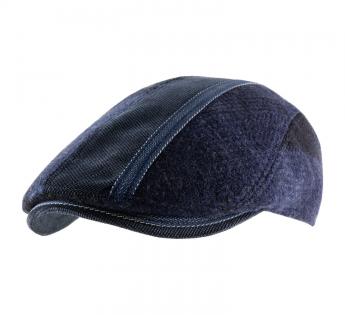
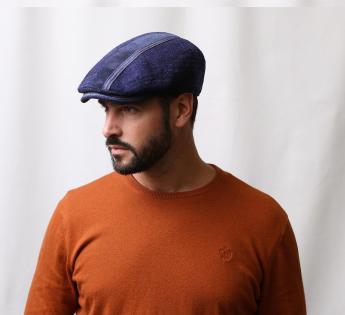
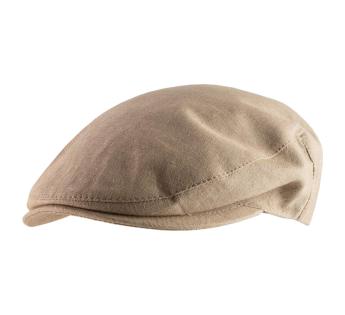

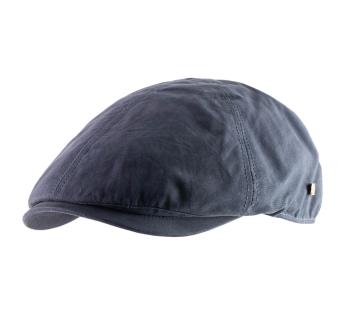

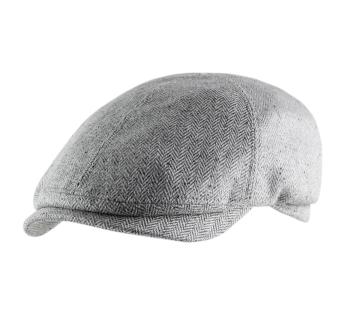

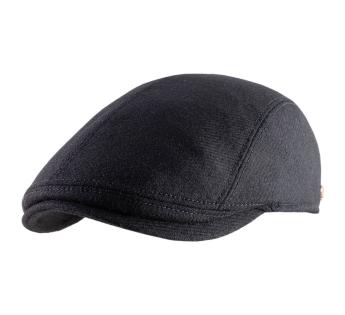
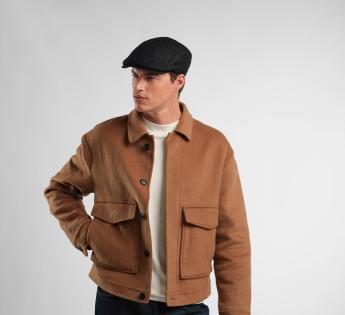
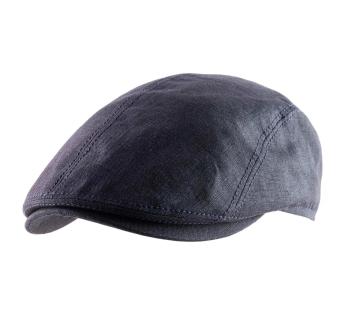
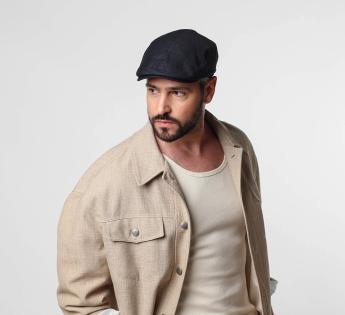
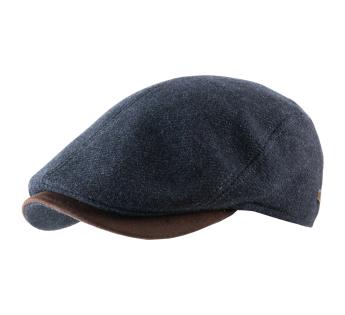

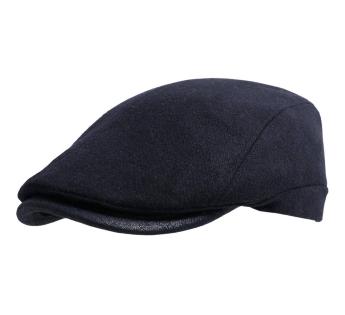
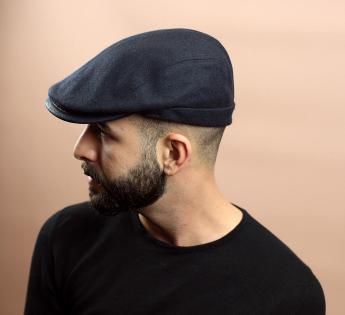
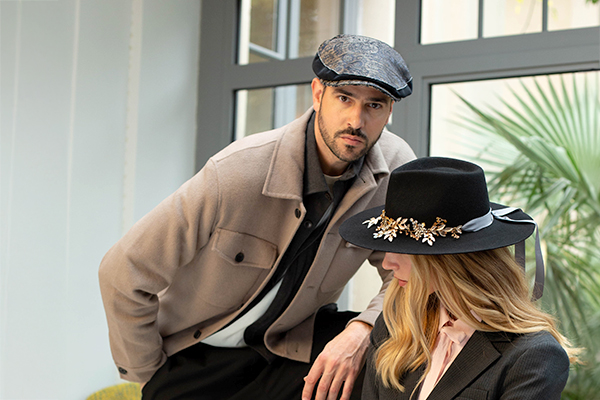
The Flat cap, also known as the Flat cap, traces its roots to the United Kingdom, where it became a staple of everyday attire as early as the 19th century. Worn by workers, craftsmen, and farmhands, its primary purpose was simple: to shield from the cold and inclement weather. Its use quickly spread, soon becoming a symbol of British working-class style.
In the early 20th century, the flat cap crossed the Atlantic and found immense popularity in the United States, especially during the 1930s. First embraced by the working class and later by urban leisure circles, it became firmly established as both a practical and elegant accessory. This dual heritage—British in origin, American in its rise—has made the flat cap an iconic piece of heritage style.
The English flat cap stands apart from its Irish counterpart with its longer, slimmer shape. It features a single continuous panel of fabric on top, never with a central button. The visor is seamlessly integrated into the crown, with stitching that may be visible or discreet depending on the model, creating a fluid, harmonious line.
This construction gives it a classic, understated look, perfectly suited to narrower faces, complementing them with balance and precision. More discreet than bulkier styles, the flat cap is a versatile, easy-to-wear accessory that structures an outfit without ever overpowering it.
Traditionally crafted from tweed or herringbone, the flat cap owes much of its character to the richness of its materials. These textured, robust, and naturally insulating fabrics are central to its identity. Today, the flat cap is also available in wool, cotton, or leather for autumn and winter, while versions in linen, silk, or cashmere are ideal for warmer seasons.
Designed for both men and women, the English flat cap fits seamlessly into a discerning contemporary wardrobe. It punctuates a tailored coat, pairs with fine knitwear, or balances a textured jacket. Whether worn with wool trousers, a trench coat, or a more relaxed silhouette, it expresses a calm, precise elegance—never ostentatious, always refined.